Introduction
Goalkeeping is one of the most crucial positions in soccer, often acting as the last line of defense against the opposing team. Proper goalkeeping techniques and strategies can significantly influence the outcome of a game. This guide aims to equip both budding goalkeepers and their coaches with the essential skills and knowledge to excel in this position. You'll find comprehensive information on fundamental techniques, advanced strategies, mental preparation, and valuable resources for improvement. Whether you're a coach looking to teach your team or a parent guiding your child, this guide to soccer goalkeeping techniques and strategies will serve as a valuable resource.
Goalkeeper Fundamentals
Before delving into specific techniques, it is essential to understand the fundamental aspects of goalkeeping. Developing a solid foundation will set you or your child up for success.
Stance and Positioning
A goalkeeper's stance plays a pivotal role in performance. The ideal stance is slightly wider than shoulder-width, knees bent, and weight positioned on the balls of the feet. This ready position allows for quick lateral movements and responses to incoming shots. You should practice standing up for a few seconds, then lowering into the stance, focusing on balance while maintaining a poised and ready position.
Hand and Arm Movement
Goalkeepers must become proficient in using their hands and arms to catch, parry, or punch the ball. Proper hand positioning—using a W shape around the ball—ensures more control. Practice this movement repeatedly; it becomes second nature when under pressure during games. Materials like The Complete Soccer Goalkeeper can help break down these hand movements into manageable drills.
Footwork and Agility
Footwork is critical for goalkeepers. You can improve your agility through specific drills such as ladder drills and cone sprints. Effective footwork allows goalkeepers to cover more ground while facilitating diving and lateral movements.
Communication with Teammates
Goalkeepers are often unseen leaders on the field. They must effectively communicate with their defenders regarding positioning and potential threats from the opposing team. Consider developing simple yet efficient commands that can be clearly understood by teammates, particularly during set pieces.
Basic Goalkeeping Techniques
Once you've grasped the fundamentals, it's time to hone in on basic goalkeeping techniques.
Catching and Holding Onto the Ball
The ability to catch a ball securely can greatly minimize scoring opportunities for the opposing team. Always approach the ball with two hands, bringing it into your body for added protection. Aim to practice with various sizes and weights of balls to improve your catching skills.
Diving and Blocking Shots
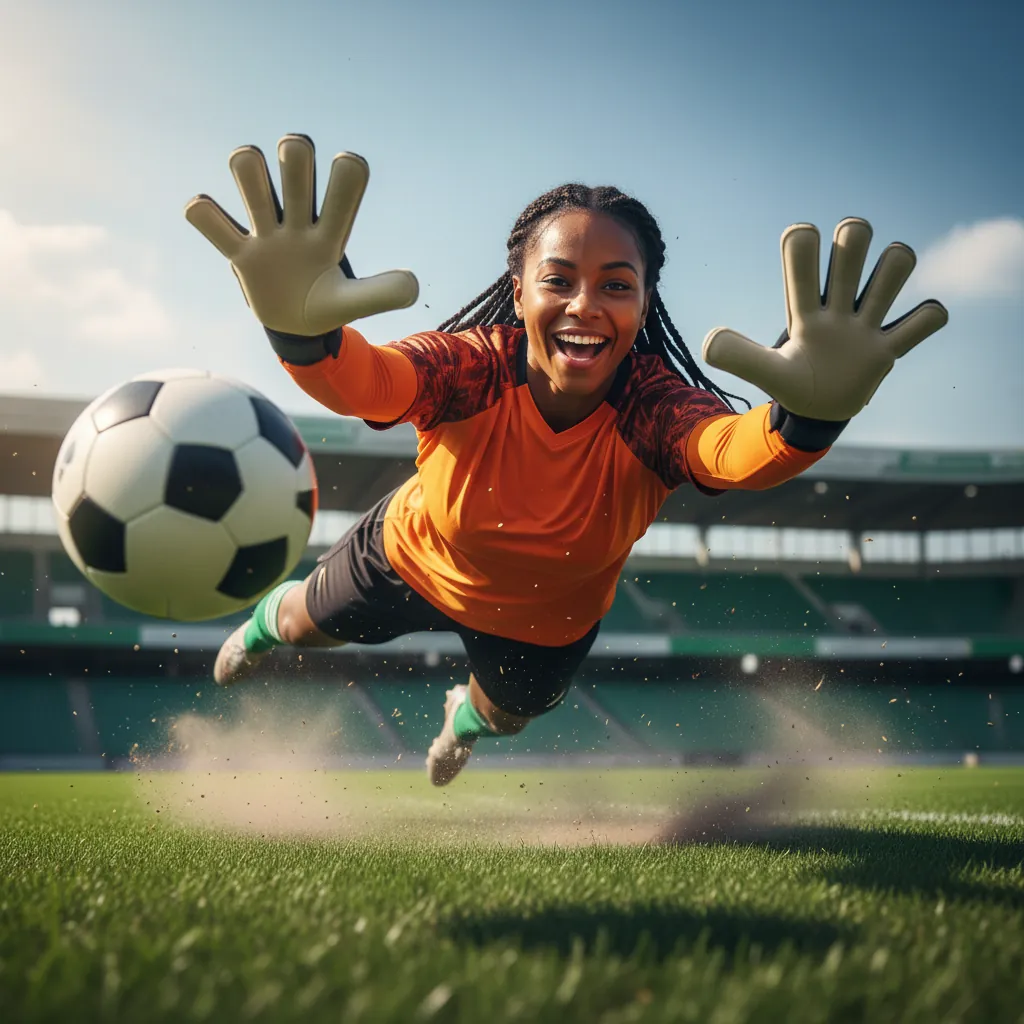
Arm dives are crucial for stopping low and fast shots. Properly executing dives entails extending your body while leading with your shoulder and protecting your face. Drills that simulate game conditions can help develop the muscle memory needed for quick reactions.
Punching and Parrying
In situations where catching isn't feasible due to height or speed, you may need to punch or parry the ball away. This technique requires proper judgment of incoming shots as well as a powerful and directed movement to send the ball away from danger. Materials like Soccer IQ: Things That Smart Players Do, Vol. 1 offer insights into decision-making for these critical moments.
Covering Angles and Corners
Goalkeepers must learn how to position themselves to cover angles effectively. A basic rule of thumb is to angle your body towards incoming shots while ensuring your body aligns with the ball's trajectory. Practice different scenarios, such as one-on-ones or attacks from the wings, to get used to covering your goal against varying attacks.
Advanced Goalkeeping Techniques
As you become more proficient, it's time to explore advanced techniques that can truly give you the edge.
Reading the Game and Anticipating Plays
A great goalkeeper not only reacts but anticipates potential threats. This skill comes from reviewing game play, understanding opponents' tendencies, and keeping an eye on their body language. Watching game highlights focusing on goalkeeping can help develop this awareness—look for patterns, such as a certain player’s tendency to shoot from specific angles.
Dealing with Long-Range Shots and Crosses
Long-range shots can often be tricky, as they can dip and swerve unexpectedly. Positioning yourself accordingly can make a significant difference; ensure you start slightly off-center to give yourself room to adjust. Crosses require you to gauge the flight of the ball and determine when to come off your line for an aggressive claim or stay back to defend.
Handling Set Pieces
Set pieces are critical moments that can determine games. Proper positioning and communication with your team are essential. Review the tactics your opponents have used in such situations and adjust your positioning accordingly. An insightful resource like Coaching Soccer For Dummies can provide various drills to refine these skills.
Managing the Box and Preventing Rebounds
During crowded situations, it's important to maintain a strong claim over the area within the box. Establish yourself confidently in those moments, and work on quick reflexes to manage rebounds. Keeping a clear mind and staying focused on the action can improve your ability to clear threats as they emerge.
Strategies for Success
To elevate your goalkeeping skills, creating a strategic mindset is just as important as physical ability.
Understanding the Opponent's Strengths and Weaknesses
Incorporate pre-game analyses to identify your opponent’s playing style. Encourage your team to adapt their strategies based on your findings. Use specific examples from your opponent’s previous matches to prepare.
Communicating with Teammates to Coordinate Defense
As the main defensive voice, your communication can make a significant difference in your team's performance. Develop a set of vocal calls that transition throughout the game, alerting teammates of incoming threats or coordinating plays.
Making Smart Decisions in High-Pressure Situations
Practice decision-making drills that require quick analysis and response. These exercises can train you to remain calm under pressure, ensuring that you make the best choice at critical moments.
Staying Focused and Motivated Throughout the Game
Keeping mental stamina high is key for goalkeepers, as they can spend long stretches of time without action. Develop routines and use reinforcement strategies to maintain focus, while building up positive self-talk habits can greatly boost your performance.
The Youth Soccer Handbook can be a valuable addition to your resources, offering tips for honing these strategies effectively.
Mental Preparation
Success as a goalkeeper isn't just physical—competing mentally plays a huge role too.
Visualizing Success and Overcoming Nerves
Mental visualization can prepare you for game situations that cause anxiety. Create mental movies of successful plays and outcomes to help combat nerves. Engaging in breathing exercises and positive affirmations can also help reduce pre-game jitters.
Developing a Pre-Game Routine for Focus and Confidence
Establishing a consistent pre-game routine can provide a sense of comfort, allowing you to focus better once the game starts. Factors like stretching, practicing techniques, and visualizing can all fit into your pre-game ritual.
Managing Emotions During the Game
Throughout a match, emotions can fluctuate rapidly. Learning to manage these feelings by recognizing your body's signals will help maintain peak performance. Techniques like breathing exercises or grounding practices can assist in maintaining composure when the action heats up.
For younger players, resources like Soccer Smarts for Kids help introduce important skills, strategies, and emotional management techniques.
Comparison Table
| Technique | Description |
|---|---|
| Catching and Holding | Basic technique for handling incoming shots |
| Diving and Blocking | Advanced technique for dealing with low shots |
| Punching and Parrying | Advanced technique for deflecting high shots |
| Reading the Game | Understanding opponent's strengths and weaknesses |
FAQ
Q: What are the most important goalkeeping techniques? A: The most critical techniques include catching and holding, diving and blocking, and punching and parrying.
Q: How do I improve my footwork as a goalkeeper? A: To elevate your footwork, focus on agility drills and integrate plyometric exercises into your daily training regimen.
Q: Can you recommend any books or resources for learning more about soccer goalkeeping? A: Certainly! I suggest checking out The Complete Soccer Goalkeeper for in-depth techniques and Soccer IQ: Things That Smart Players Do, Vol. 1 for game intelligence.
Conclusion
Mastering the art of goalkeeping requires a commitment to both physical skill and mental strategy. By following this comprehensive guide to soccer goalkeeping techniques and strategies, you and your coaching team can build a strong foundation and elevate your game. Cultivating these skills takes time, so stay patient and remember to enjoy the journey as you strive for improvement. With the right mindset, preparation, and resources, you can set the stage for success on the pitch.


