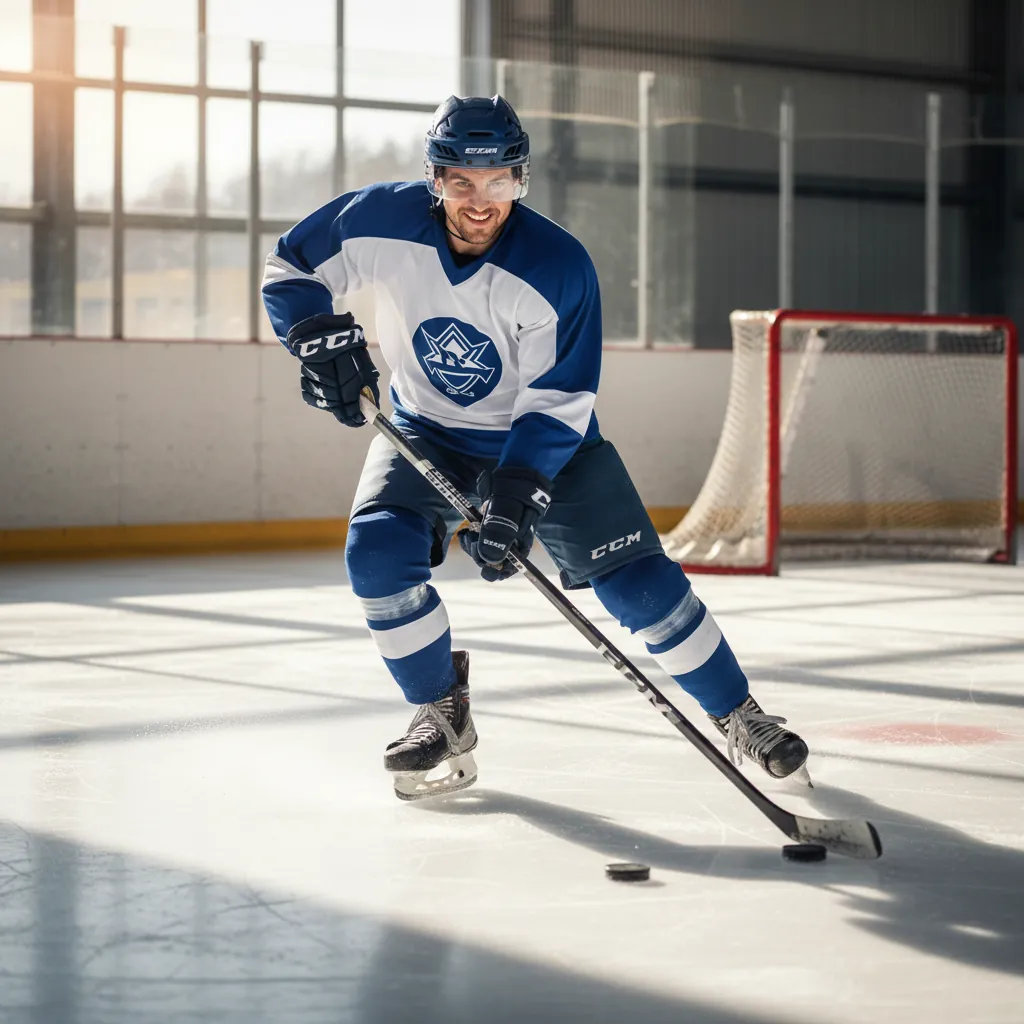
Practicing hockey effectively is essential for players of all levels, from youth leagues to advanced teams. Whether you're a parent coaching your child’s team or an athlete training independently, focusing on the right techniques and practice sessions can significantly enhance skills on the ice. This guide will provide a comprehensive approach to structuring an effective hockey practice session, ensuring clarity in goals, using the right equipment, and implementing various skill drills.
Preparing for Your Practice Session
Before hitting the ice, it's vital to create a structured environment that promotes learning and skill development. Here’s how to prepare:
Set Clear Goals and Objectives for Your Practice Session
Start by determining what you want to achieve during your practice. Are you focusing on stick handling, passing, shooting, or overall gameplay strategies? Set specific, measurable goals for each practice. For instance, if you're emphasizing shooting, aim for a certain number of shots from various angles or distances. Write these goals down and discuss them with your team if applicable; this transparency can motivate players and give them a clear sense of direction.
Warm Up with Light Stretching and Jogging
Warming up is crucial in preventing injuries and improving performance. Before diving into drills, engage in a light jog around the rink, followed by dynamic stretches targeting key muscle groups: legs, arms, and core. This not only readies the body but also helps participants mentally transition into practice mode.
Review Game Footage or Scenarios to Focus on Specific Skills
If possible, invest a few minutes into reviewing game footage with your players. Watching clips of past performances allows individuals to visualize their roles and actively think about areas they need to improve. Highlight specific skills or mistakes made in the games, establishing a direct link between practice and actual gameplay.
Setting Up Your Practice Equipment
Equipping yourself with the right tools can significantly enhance the quality of your hockey practice. Below is a selection of essential equipment that can help elevate your training sessions.
- Franklin Sports NHL Hockey Stick Handling Balls - Perfect for stick handling and improving hand-eye coordination, these balls come in a set of four. Using them in drills enhances your dexterity and control on the puck.
- Better Hockey Extreme Passer Puck Rebounder - This tool is designed for passing, shooting, and practicing one-timers. It’s particularly effective in simulating game scenarios, helping players refine their skills in a dynamic setting.
- Hockey Pucks Bulk 25 Practice Pucks per Case Official New - Having a bulk supply of practice pucks allows you to focus on different shooting and puck control drills without frequent interruptions for puck retrieval.
Drills for Stick Handling and Hand-Eye Coordination
Developing agility and puck control is fundamental in hockey. Incorporate these drills into your practice to enhance stick handling and hand-eye coordination:
Use the Franklin Sports NHL Hockey Stick Handling Balls
- Forehand and Backhand Shots: Arrange the balls in a line spaced apart. Use your stick to maneuver the balls in both directions, ensuring fluidity and control. Focus on hitting each ball cleanly before moving on to the next.
- Crossovers and Toe Drags: Set up obstacles like cones or markers. Practice crossovers while moving around these objects and incorporate toe drags to enhance your ability to maneuver around opponents.
- Puck Control and Reaction Training: Have a partner or coach randomly shoot the stick handling balls at you, and your job is to react quickly to dribble or shoot them away. This simulates real-game scenarios where quick reflexes are essential.
Utilize the 5-Section/7-Section Hockey Training Equipment
This additional piece of training equipment can elevate your practice regime by allowing you to simulate unpredictable puck movement. Use it for reaction time training; randomly pass the puck back and forth with a teammate while integrating variable speeds and angles. This drill helps strengthen your response times and adaptability during matches.
Drills for Passing, Shooting, and One-Timers
Passing and shooting are arguably the most crucial skills in hockey, so refining these areas will elevate your game.
Use the Better Hockey Extreme Passer Puck Rebounder
- Passing with Both Forehand and Backhand: Set the rebounder at various angles. Practice accurately passing to the rebounder, utilizing both forehand and backhand techniques. This helps develop versatility and accuracy in your passing game.
- Shooting from Different Angles and Distances: Position the rebounder at different heights and distances, practicing shooting from various points on the ice. This drill enhances your ability to score from multiple positions in an actual game.
- One-Timer Shots for Accuracy and Power: Partner up with someone and utilize the rebounder to practice one-timer shots. This not only practices your shooting power but also improves timing—two crucial factors in a successful play.
Utilize the Better Hockey Extreme Hockey Rebounder
This versatile tool can be set to bounce pucks off different angles. By incorporating it into your practice, players can simulate real gameplay scenarios, allowing for continuous passing and shooting without interruption. Aim to integrate both accuracy and speed drills in your practice with the rebounder for maximum impact.
Putting it All Together: A Comparison Table of Equipment Options
When considering which training equipment to invest in, make informed choices based on what best suits your practice goals. Below is a helpful comparison of the recommended products, showcasing their benefits.
| Product | Description | Price |
|---|---|---|
| Franklin Sports NHL Hockey Stick Handling Balls | 4 balls for stick handling and hand-eye coordination | $15.99 |
| Better Hockey Extreme Passer Puck Rebounder | For passing, shooting, and one-timers practice | $49.95 |
| Better Hockey Extreme Hockey Rebounder | For passing, shooting, and one-timers practice | $69.95 |
| Hockey Pucks Bulk 25 Practice Pucks per Case Official New | For shooting and puck control drills | $29.99 |
| Hockey Training Equipment | 5-Section/7-Section reaction time training tool | $49.99 |
This comparison helps you see the distinct features and purposes of various pieces of equipment, guiding your choices in building a well-equipped training environment.
Frequently Asked Questions
Q: What is the best way to start a hockey practice session?
A: Begin with light stretching and jogging, which will increase blood circulation and reduce the risk of injury. After warming up, review game footage that relates to the skills you’ll be practicing to promote a deeper understanding of those skills in a game context.
Q: How often should I practice stick handling and hand-eye coordination?
A: Aim for 2-3 times per week, dedicating 15-20 minutes each session to focused stick handling and reaction drills. Regular practice will lead to noticeable improvements over time.
Q: What are the most important skills to work on in a hockey practice session?
A: Key skills include stick handling, passing, shooting, and reaction time training. Each of these areas contributes significantly to overall performance on the ice. Building proficiency in these skills creates a well-rounded player capable of adapting to various game situations.
Conclusion
Mastering hockey practice requires deliberate planning and consistency. By preparing for your practice sessions, setting clear goals, utilizing the right equipment, and incorporating various drills, you can ensure athletes improve their skills effectively. The journey to becoming a skilled hockey player involves understanding the game's intricacies and dedicating time to refine techniques—so lace up, hit the ice, and enjoy the process of developing your game!


