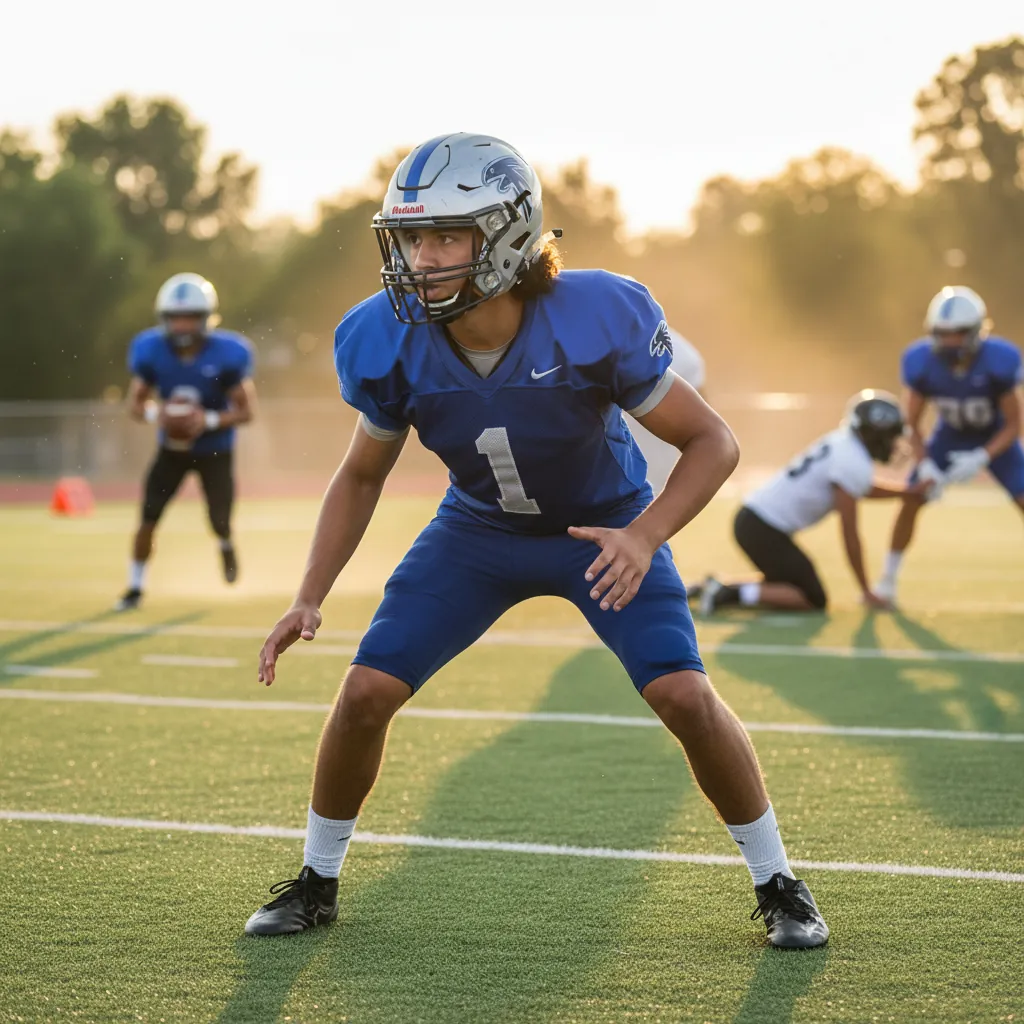
In the fast-paced game of football, defenses must be as intricate as any offensive playbook. The safety plays a crucial role in maintaining defensive integrity and creating opportunities for turnovers. In this step-by-step guide, we will delve into the football defensive strategy for safeties, breaking down their responsibilities, techniques, and strategies to enhance their performance on the field. Whether you're a parent looking to coach your child or an aspiring coach yourself, this article will provide you with the insights needed for success.
Understanding Your Role as a Safety
As a safety, your role is often viewed as the last line of defense. This means that you need to possess a comprehensive understanding of the game and your team’s defensive strategies.
Define Your Role in the Defense
The primary responsibility of a safety involves both pass coverage and run support. Depending on the defensive scheme your team employs, you may be classified as either a free safety or a strong safety. The free safety typically plays deeper in coverage and is responsible for reading the quarterback's eyes and anticipating a pass, while the strong safety often plays closer to the line of scrimmage to stop the run.
Key Responsibilities and Expectations
In addition to your positional duties, safety players are also expected to communicate effectively with their teammates, especially cornerbacks and linebackers. They often serve as the defensive quarterbacks of the backfield, responsible for calling out changes and adjustments in response to the offensive formations and motions. Familiarize yourself with the concepts outlined in books like Football Coaching Strategies, which provide in-depth techniques for coaching and understanding defensive roles.
Pre-Snap Readiness
Preparation is key to executing effective plays, especially for safeties.
Study Opponent's Formations and Tendencies
Before the snap, take time to observe the offensive formation. Recognize common patterns your opponents display and their favored plays from different alignments. This knowledge allows you to anticipate their strategy and align yourself accordingly.
Adjusting to Different Personnel Groupings and Shifts
In modern football, offenses frequently change formations to confuse the defense. As a safety, you must be able to adjust your alignment based on these shifts. For example, if a team uses multiple tight ends, it could indicate a heavy rushing play. Alternatively, a three-receiver set might signal a pass attempt. Practicing these reads can make you a more versatile defender.
Visual Aids
Utilizing visual aids can enhance your understanding of formations and strategies. Whether it’s through diagrams, video reviews, or chalkboard notes, reinforcing your pre-snap knowledge will lead to quicker adjustments on game day. Coaching tools like Defensive Football Strategies are excellent resources for drawing out strategies and formations to help you and your teammates visualize your responsibilities.
Assignment and Alignment
Aligning correctly and understanding your assignment is crucial for success as a safety.
Assign Responsibilities to Teammates
Evaluate the strengths of your teammates when assigning responsibilities. Each player has unique skills, and it’s essential to utilize them effectively. For example, if a cornerback excels in man coverage, assign them to dominate one-on-one situations, allowing you to play more centrally and focus on the ball.
Align Yourself Based on the Opponent's Formation
Your alignment on the field should correspond with the offensive set. For instance, against a two-receiver set, you may want to align inside the hash marks to provide extra help against the run. Conversely, when lined up against three or more receivers, consider positioning yourself outside to account for potential passing routes.
Communicate with Teammates
Communication is the backbone of a successful defense. Ensure you establish clear channels of communication with cornerbacks and linebackers. Utilize hand signals or specific code words to convey adjustments when necessary. Resources like Football: Position by Position can offer insights into effective communication techniques that are proven to foster teamwork amongst defensive players.
Reading the Play
Your ability to read the play is what separates an average safety from a great one.
Identify the Ball Carrier’s or Quarterback's Intention
Reading the offensive players both before and during the play is crucial. Pay attention to the quarterback's dropback pattern or the ball carrier's body language. Are they looking to pass or prepare for a run? An agile safety can read these cues, allowing them to react swiftly.
Using Your Eyes to Diagnose the Play
During the snap, your vision becomes your most powerful tool. For example, if the running back takes a step back, it's likely a running play is forthcoming. Conversely, if the quarterback's eyes are downfield, prepare for a pass. As you develop your skills, consider drills that mimic these scenarios to help sharpen your reading abilities. Books like Best Flag Football Plays for Defense provide useful tactics and drills for reading plays in real-time.
Pursuit and Tackling
Once you've diagnosed the play, your pursuit and tackling techniques will determine your effectiveness.
Develop Proper Tackling Techniques
The fundamentals of tackling are crucial to your effectiveness as a safety. Focus on keeping your head up, lowering your shoulder for leverage, and using your arms to wrap around the ball carrier. This approach not only increases your chances of making successful tackles, but it also minimizes the risk of injury for both you and the ball carrier.
Practice Pursuit Drills
Your reaction time and speed can be enhanced through practice. Drills that focus on pursuit angles and quick acceleration towards the ball will benefit your tackling efficiency. When practicing, emphasize staying disciplined and not overcommitting yourself too early while maintaining a sprint towards the ball.
Focus on Wrap-up Tackles
When attempting a tackle, it's essential to focus on wrapping up the ball carrier rather than just making a hard hit. Avoid going for the aggressive strike that can lead to missed tackles or dangerous situations. Prioritize bringing the carrier down by wrapping your arms and using your body weight effectively. Resources like Football for Dummies, 6th Edition offer beginner-friendly insights into tackling techniques and tips for refining your skills.
Comparison Table: Top Football Defensive Strategy Books
As you explore various strategies and techniques, consider investing in books that can significantly enhance your football knowledge. Here’s a comparison of some top resources:
| Book | Key Takeaways |
|---|---|
| Defensive Football Strategies (American Football Coaches Association) | In-depth strategies and techniques for defensive coaches |
| Football Coaching Strategies | Comprehensive guide to coaching football, including defense |
| Football: Position by Position: Breaking Down Their Roles & Responsibilities at the Pro, College, and High School Levels | Detailed analysis of each position's role and responsibilities |
| Best Flag Football Plays for Defense: The Defensive Playbook for Flag Football Teams | Essential plays and strategies for flag football defense |
| Football for Dummies, 6th Edition | Beginner-friendly guide to football, including defensive basics |
FAQ
Q: What are the most important factors in diagnosing a play? A: Key factors include the ball carrier's movement, the quarterback's gaze, and the overall alignment of the offensive formation.
Q: How can I improve my tackling technique? A: Focus on wrapping up ball carriers, using proper form, and engaging in footwork drills. Consistent practice is key to improvement.
Q: What are some key defensive strategies for safeties? A: Effective strategies encompass reading the play, ensuring proper assignment and alignment, executing pursuit and tackling techniques, and maintaining communication with teammates.
Conclusion
As you step into the world of defensive football, understanding the intricacies of the football defensive strategy for safeties is essential. Overall, your role requires a fusion of tactical awareness, quick decision-making, and solid technique. By fully grasping these strategies, you’ll not only enhance your skills but also become an invaluable asset to your team. With dedication, practice, and the right resources at your disposal, success on the football field is within your reach. So equip yourself with the knowledge and skills outlined in this guide, and get ready to make an impactful contribution as a safety!


