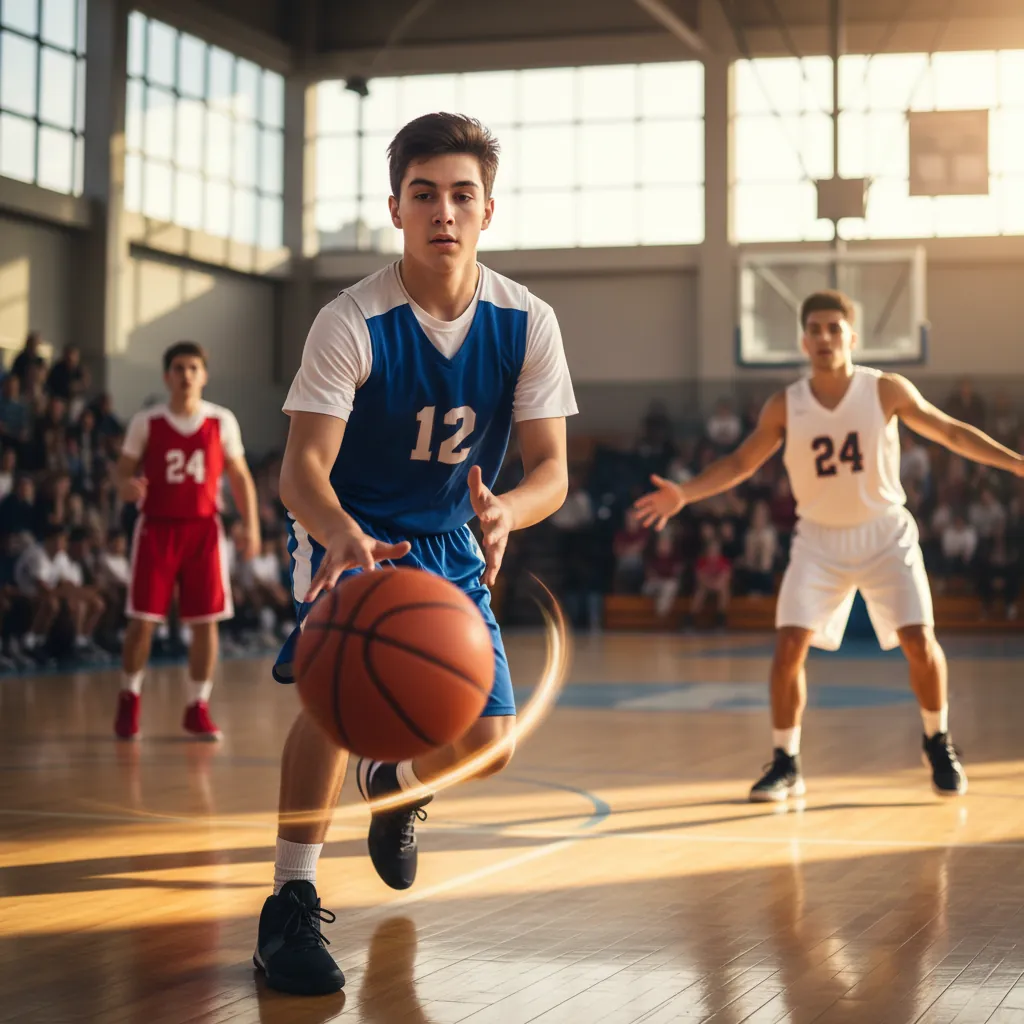
Basketball is a dynamic sport that relies not just on individual skills but also on teamwork and communication. One of the most crucial components of successful basketball play is passing. In this comprehensive guide, we’ll cover how to improve your basketball passing skills through fundamental understanding, drills, advanced techniques, and tips. Whether you’re a parent looking to coach your child or simply an enthusiast looking to sharpen your game, this guide aims to provide you with everything you need to elevate your passing skills to the next level.
Understanding the Fundamentals of Passing
Before you dive into drills, it’s critical to master the fundamental techniques that form the foundation of effective passing.
Start with Proper Grip and Stance
A proper grip is essential for effective passing. Your shooting hand should be behind the ball, with your fingers spread comfortably to ensure a good feel. The guide hand should be gently on the side of the ball, helping to stabilize it without forcing it.
Simultaneously, your stance plays a pivotal role. Stand with your feet shoulder-width apart, knees slightly bent, and your hips low. This position helps maintain balance and allows for explosive movement or adjustments when required.
To explore this further, consider referring to resources like How to Be Better At Basketball in 21 days that can provide more insights on enhancing your fundamentals.
Develop a Pre-Shot Routine to Improve Consistency
A well-planned pre-shot routine can enhance your consistency in passing. Before making a pass, take a second to assess your surroundings. This mental check helps you focus on your target, gauge the distance, and decide the type of pass. Developing this habit not only improves your confidence but also ensures you're better prepared to execute the right pass in various game situations.
Focus on Footwork and Body Positioning for Accurate Passes
Accurate passing is often a function of good footwork and body positioning. As you prepare to pass, ensure that you’re square to your target. Step toward your intended receiver with your non-dominant foot to create power and assure that your entire body is aligned with your pass. This alignment will significantly enhance your accuracy.
Basic Passing Drills
Practicing essential passing drills will set a strong foundation for your passing skills. Focus on the following drills regularly.
Partner Drills: Practice Passing with a Teammate
One of the most effective ways to improve your passing skills is to perform drills with a partner. Find a friend or teammate and practice various types of passes, such as chest passes, bounce passes, and overhead passes. Focus on accuracy and make sure the receiver is catching the ball at their shooting pocket. Aim for consistent results— your goal should be to hit your teammate's hands every time.
Wall Drills: Use a Wall or Backboard to Practice Chest Passes and Overhead Passes
If you don’t have a partner available, wall drills are an excellent substitute. Find a solid wall or use a backboard, and practice throwing chest passes and overhead passes against it. Ensure to maintain the correct grip and follow through, allowing the ball to rebound back to you.
For a more dynamic experience that simulates passing against a defender, the GoSports XTRAMAN Basketball Dummy Defender Training Mannequin can serve as a great training aid. This product allows you to practice your passing strategies while facing simulated defense.
Advanced Passing Techniques
Once you’ve mastered the basics, it’s time to incorporate advanced passing techniques into your practice routine.
Crossover Passes: Practice Faking Out Defenders with Crossover Moves
Crossover passes are all about deception. Practicing this move will develop your ability to fake defenders while executing a pass. Begin by dribbling, then fake a movement in one direction before smoothly passing in the opposite direction. The goal is to keep defenders guessing while ensuring accuracy.
For structured practice, consider using resources like the UVU Training HoopDeck ABC 52 Card Basketball Training Program for All Skill Levels and Ages, where you can find drills targeting specific passing techniques, including crossover moves.
Behind-the-Back Passes: Develop the Ability to Pass Behind Your Back
Behind-the-back passes are not just flashy; they can create crucial scoring opportunities. To practice, dribble towards the basket, then use your dominant hand to pass behind your back with your opposite hand. This move can be tricky, so start slow, then gradually increase speed as you become comfortable.
No-Look Passes: Mastering the Art of Passing Without Looking at the Target
No-look passes can catch defenders off guard and create unexpected advantages for your teammates. Begin by practicing with a partner, focusing on making a pass while looking in a different direction. It’s essential to develop trust in your teammates during this process, as communication will be key to avoiding turnovers.
Tips for Improving Your Passing Game
To further enhance your passing skills, consider these additional tips that cater to players of every skill level.
Practice with Both Hands
One common limitation among players is the inability to pass effectively with their non-dominant hand. Making an effort to practice with both hands will make you a better passer overall. If you’re a lefty, spend dedicated time each practice session working on passing with your right hand, and vice versa. This practice will make you a versatile player capable of adapting to game situations.
For organizational use, a Basketball Notebook can be valuable as it allows you to track different drills and your progress in practicing with both hands.
Focus on Footwork and Body Positioning to Create Space and Opportunities
Always be conscious of your footwork and body positioning. Excellent footwork allows you to create space for yourself, separating you from defenders and giving you clearer passing lanes. Use your body to shield the ball, and position yourself to catch or pass effectively when in tight situations.
Watch Game Footage and Analyze the Passing Techniques of Professional Players
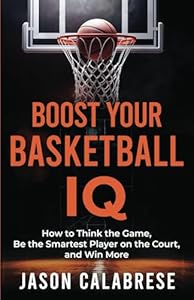
Watching game footage is an excellent way to learn. Analyze how professional players execute their passes, noting their footwork and decision-making processes. Understanding the subtleties behind their techniques can inspire you to incorporate some of their moves into your own game. A product like Boost Your Basketball IQ can provide great insights into nuanced aspects of basketball, particularly in passing strategies.
Comparison Table: Passing Drills and Equipment
| Drill/Equipment | Description |
|---|---|
| Partner drills | Practice passing with a teammate focusing on accuracy and speed. |
| Wall drills | Use a wall or backboard to practice chest passes and overhead passes. |
| GoSports XTRAMAN Basketball Dummy Defender Training Mannequin | Practice passing against a defender mannequin, enhancing realistic gameplay skills. |
| UVU Training HoopDeck ABC 52 Card Basketball Training Program for All Skill Levels and Ages | A comprehensive skill development program with card-based drills for passing techniques. |
FAQ: Passing in Basketball
Q: What are the most important things to focus on when improving my passing skills? A: Proper grip, stance, footwork, and body positioning.
Q: How often should I practice my passing skills? A: Aim for 2-3 times a week, with 15-20 minutes per session dedicated to passing drills.
Q: What are some common mistakes that beginners make when passing the ball? A: Not squaring your feet to the target, not following through on passes, and not communicating with teammates can all lead to ineffective passing.
In conclusion, improving your basketball passing skills is a gradual process that requires dedication, practice, and proper techniques. By embracing the fundamentals, engaging in drills, developing advanced skills, and following effective tips, you will not only become a better passer but also a more effective player overall. Whether you're training yourself or coaching your child, remember that consistent practice and understanding the art of passing is key in making winning plays on the court.